
Applications

Four thick blue wavy lines appear in parallel against a white background.

From municipal lagoons to anaerobic digesters to hog and dairy farms, Yieldstream's live microbial platform is engineered for the waste streams that are hardest to manage – and most costly to leave untreated.

Lagoon Biosolids

Sludge buildup reduces lagoon capacity, triggers compliance violations, and leads to costly dredging. Our proprietary blend of live aerobic and anaerobic microorganisms is applied directly into the lagoon – consuming manure solids, floating crusts, and residual fats, oils, and grease while improving overall holding capacity and performance.

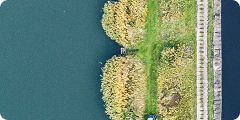
Aerial view of a narrow grassy path with tall vegetation on both sides, leading to a small dock extending into blue water. Concrete edge runs along the right side.
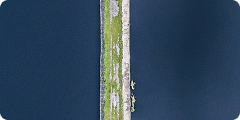
Aerial view of a narrow strip of land with grass and rocks, bordered by water on both sides, with a few people walking along the path.
Aerial view of two parallel stone paths separated by a body of blue water, with green vegetation visible along the edges of the paths.
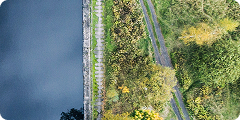
Aerial view of a river on the left, a paved path in the center, and green trees with patches of yellow foliage on the right.
Black and white icon of a microscope, shown from the side.

Eliminate Dredging Costs

Active biological breakdown reduces sludge and biosolids accumulation – removing a major capital expense and decreasing hauling and disposal costs.

Black and white icon of a microscope, shown from the side.

Restore Holding Capacity

Treatment and capacity have been shown to increase by as much as 90% – extending the life of your existing infrastructure without new construction.

Black and white icon of a microscope, shown from the side.

Odor & Compliance Control

Aerobic digestion reduces the potential of H₂S formation and lowers BOD levels – helping facilities pass inspections and stay ahead of enforcement.
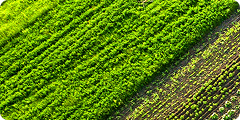

Agricultural Waste

Hog, dairy, cattle, and chicken operations face growing pressure from regulators and neighboring communities. Yieldstream's biology consumes manure solids, floating crusts, and post-animal processing material – reducing sludge accumulation, controlling odors associated with anaerobic conditions, and improving lagoon holding capacity.

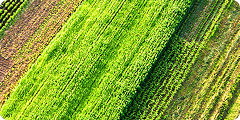
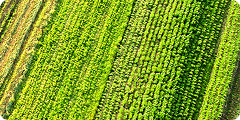
Aerial view of green and brown agricultural fields with visible rows of crops planted in parallel lines.
Aerial view of agricultural fields with different crops planted in parallel rows, showing varying shades of green and yellow.
Aerial view of farmland showing parallel green and brown crop rows in rectangular sections.
Aerial view of green crop fields arranged in parallel rows, showing varying shades and textures of vegetation.
Black and white icon of a microscope, shown from the side.

Odor Reduction

The proprietary blend reduces anaerobic conditions responsible for hydrogen sulfide and odor – lowering community friction and regulatory risk.

Black and white icon of a microscope, shown from the side.

Sludge Volume Reduction

Accelerated digestion through multiple micronutrient-reinforced food cycles converts more solids into natural waste gases – reducing what your operation needs to haul and dispose of each season.

Black and white icon of a microscope, shown from the side.

Compliance Documentation

We track treatment progress and provide reporting to support permit renewals and inspection readiness throughout the treatment period.
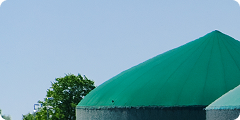
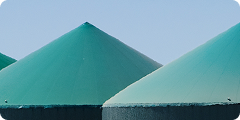
Anaerobic Digesters

Digesters that underperform leave biogas and RNG revenue unrealized. Yieldstream reinforces the biological digestion process by supplying a proprietary blend of live microorganisms including anaerobic strains – together with limiting micronutrients that support more complete breakdown of fats, oils, grease, and other hard-to-digest organics entering the digester.

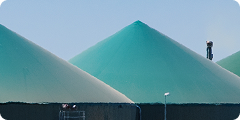
Large green-roofed industrial tanks with trees and clear blue sky in the background.
Three large, green, cone-shaped structures are shown against a clear blue sky.
Three large, green, conical industrial storage tanks are shown against a clear sky, with a small structure and a person visible on one of the tanks.
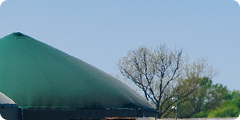
A green, dome-shaped structure with trees and a clear blue sky in the background.
Black and white icon of a microscope, shown from the side.

More Gas, Same Feedstock

As more volatile solids are converted through multiple micronutrient-reinforced microbiological food cycles, a greater portion of the feedstock is transformed into biogas – improving RNG yield with no additional inputs.

Black and white icon of a microscope, shown from the side.

Reduce Biosolids Accumulation

Improved digester efficiency reduces biosolids accumulation – lowering downstream handling and disposal needs and cutting costs associated with residual or spent biosolids.

Black and white icon of a microscope, shown from the side.

Stabilize Digester Operations

More complete digestion reduces process variability – lives off of all waste matter, helping facilities maintain consistent gas output and avoid costly operational disruptions.


Traditional Municipal Wastewater Plants

Municipal systems are under pressure to do more with aging infrastructure, variable influent, and stricter discharge limits. Yieldstream’s biologics integrate directly into existing treatment processes – accelerating digestion, reducing biosolids, and improving effluent quality without added chemicals or retrofits.

Aerial view of a blue metal bridge or structure spanning over a body of water, showing geometric lines and framework.
Aerial view of a blue metal bridge structure over water, with one side greenish and the other brown, possibly indicating different water sources or treatment stages.
Aerial view of a water treatment facility showing a clear division between murky brown water and clean blue water, separated by blue structural beams.
Aerial view of two white metal beams crossing over a body of deep blue-green water.
Black and white icon of a microscope, shown from the side.

Reduce Biosolids at Every Stage

Enhanced biological digestion breaks down organic solids more completely – reducing sludge production and lowering hauling and disposal costs across the system.

Black and white icon of a microscope, shown from the side.

Improve Effluent Quality

More complete treatment lowers BOD, COD, and suspended solids – helping facilities meet discharge requirements and stay ahead of compliance thresholds.

Black and white icon of a microscope, shown from the side.

Stabilize Plant Performance

Reinforced microbial activity supports consistent treatment under fluctuating loads – reducing variability and improving overall operational reliability.


Commercial Septic Tanks & Grease Traps

High concentrations of fats, oils, grease, and organic waste can overwhelm small-scale systems – leading to buildup, odors, and costly service disruptions. Yieldstream introduces live microorganisms directly into septic tanks and grease traps – restoring balance, accelerating breakdown, and reducing maintenance frequency.

Abstract, textured sketch in black and white with rough, crosshatched lines forming an irregular, partially shaded shape on a white background.
Close-up of bubbles suspended in a clear, textured sheet of ice, with visible scratches and patterns on the icy surface.
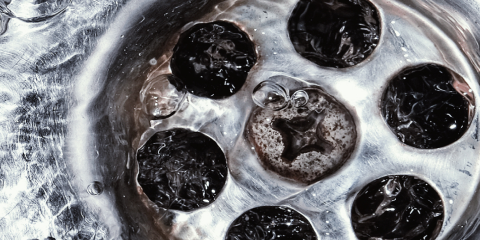
Close-up of a stainless steel sink drain with water flowing around and bubbles forming on the metal surface.
Close-up of water droplets on a metallic or glass surface, with light reflecting on the left side and textured condensation visible throughout the image.
Black and white icon of a microscope, shown from the side.

Break Down FOG More Completely

Specialized microbial strains digest fats, oils, and grease – preventing accumulation, blockages, and system backups.

Black and white icon of a microscope, shown from the side.

Reduce Sludge & Extend Service Intervals

Accelerated digestion converts more waste into natural gases – lowering solids accumulation and reducing pump-out frequency.

Black and white icon of a microscope, shown from the side.

Control Odors & Maintain Compliance

By reducing anaerobic conditions, treatment lowers H₂S and odor-causing compounds – supporting cleaner operations and regulatory alignment.

Ready to cut costs and boost output?

Performance-based contracts. 100% live microorganisms. No added chemicals. Noticeable reduction in H₂S, BOD, and COD within 30–90 days.

Work With Us